24 September 2026 | Thursday of the Twenty-Fifth Week in Ordinary Time | First Reading: Ecclesiastes 1:2–11 | Responsorial Psalm: Psalm 90:3–4, 5–6, 12–13, 14, 17 | Gospel: Luke 9:7–9
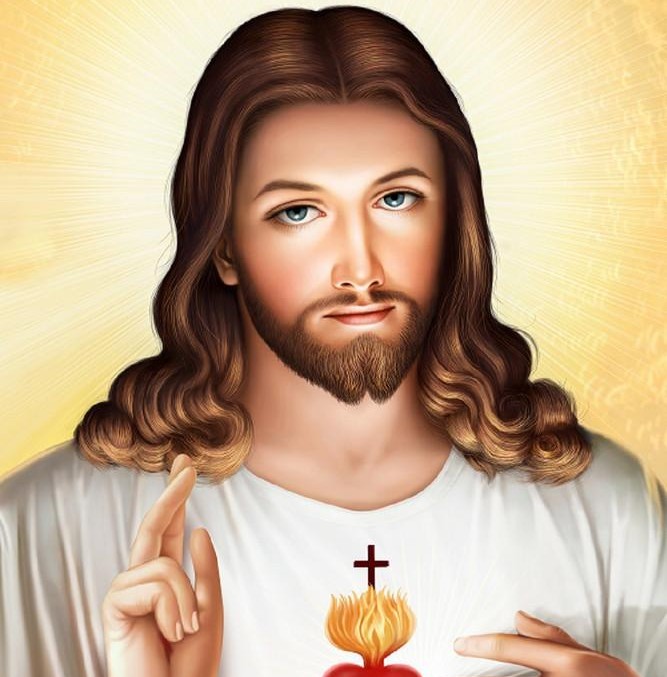
Ecclesiastes begins with a sobering reflection on the passing nature of earthly existence. Generations come and go, the earth continues, and human beings often discover that what seems new is already part of an ancient pattern. The Gospel introduces Herod, who is perplexed by the reports about Jesus and wonders who he truly is. Herod’s curiosity remains superficial because he does not yet understand the deeper significance of Christ. Together the readings ask us where we place our attention. The world passes; reputations pass; political power passes. Christ alone gives history its ultimate meaning.
The Church does not interpret Ecclesiastes as nihilism. Rather, its sober realism can purify us from idolatry and prepare us to seek what endures. The Catechism teaches that the human person is created for communion with God and that only God can satisfy the deepest longing of the human heart (CCC 27–30). Jesus’ presence in history reveals that the eternal Son has entered time. The passing world is not meaningless, because Christ has entered it and is leading creation toward its fulfillment.
Psalm 90 asks God to teach us to number our days, while James 4:13–15 warns against presuming upon tomorrow. Matthew 6:25–34 calls us to trust God’s providence rather than being consumed by anxiety. John 1:1–18 places Christ, the eternal Word, at the heart of creation and history. Revelation 21:1–5 reveals the final destiny toward which history moves. The Eucharist gathers the Church into the eternal sacrifice of Christ while we remain within time. Today we should resist both despair and distraction. Our days are brief, but they are precious because they can be offered to God. The question is not merely how long we live, but whether our lives are centered upon Christ.