


05 October 2026 | Optional Memorial of Saint Faustina Kowalska, Virgin | First Reading: Ephesians 3:14–19 | Responsorial Psalm: Psalm 103:1bc–2, 3–4, 8–9, 13–14, 17–18a | Gospel: Matthew 11:25–30
The Church’s universal calendar celebrates Saint Faustina Kowalska as an optional memorial on October 5, a celebration inscribed in the General Roman Calendar in 2020. The proper readings emphasize the mystery of divine mercy. Paul kneels before the Father and asks that believers be strengthened inwardly so that Christ may dwell in their hearts through faith and that they may comprehend the breadth and length and height and depth of Christ’s love. Psalm 103 praises the God who forgives, heals, redeems, and shows compassion. In the Gospel, Jesus reveals the Father’s wisdom to the childlike and invites the burdened to come to him. The connection is unmistakable: Christian holiness begins not with self-sufficiency but with receptivity to divine mercy. Saint Faustina’s witness is therefore situated within the biblical and Catholic conviction that God’s mercy is not an alternative to truth but the loving action by which God restores sinners to communion with himself. CCC 1427–1429 describes conversion as an ongoing response to God’s merciful initiative.
The childlike heart praised by Jesus is not naïve; it is humble enough to receive. This disposition appears throughout Scripture. Psalm 51:10–12 asks God to create a clean heart; Luke 15:11–32 portrays the Father’s merciful reception of the repentant son; and 1 John 1:8–9 teaches that acknowledgment of sin opens the way to God’s forgiveness. Mercy must also become a way of life. Matthew 18:21–35 warns against receiving forgiveness while refusing to forgive, and James 2:13 teaches that mercy must characterize the disciple’s treatment of others. Saint Faustina’s spirituality is therefore properly understood within the whole Catholic faith: Divine Mercy leads to conversion, sacramental reconciliation, Eucharistic communion, and concrete works of charity.
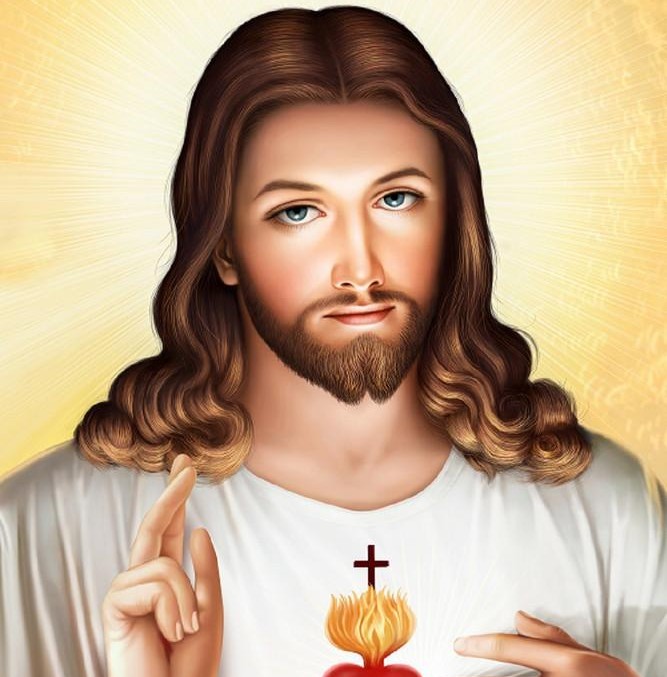
The sacramental life makes this mercy tangible. In Baptism, the Christian receives new life; in Penance, the sinner encounters Christ’s forgiving mercy through sacramental absolution; and in the Eucharist, Christ gives himself as food for the pilgrim Church. CCC 1423–1424 identifies Reconciliation as the sacrament in which Christ restores the sinner to the life of grace, while CCC 1324–1327 teaches the centrality of the Eucharist. Today we are invited to approach Christ with the confidence of children, not because sin is insignificant, but because God’s mercy is greater than our sin. Let the experience of forgiveness become the source of forgiving love, patient charity, and deeper trust in the Sacred Heart of Christ.